

THE BREIF
Most productions of Xanadu treat the show like a guilty pleasure — neon fluff, roller skates, and a wink at the bad movie.
We didn’t stage fluff.
We staged a fight.
The 1980 film gives Kira all the power of a goddess and then traps her in the narrative equivalent of a ham sandwich: she exists to inspire a mediocre mortal to chase his dreams. Cute. Also insulting.
Our version wasn’t “boy meets muse.”
It was a jailbreak.
WHAT WE DID
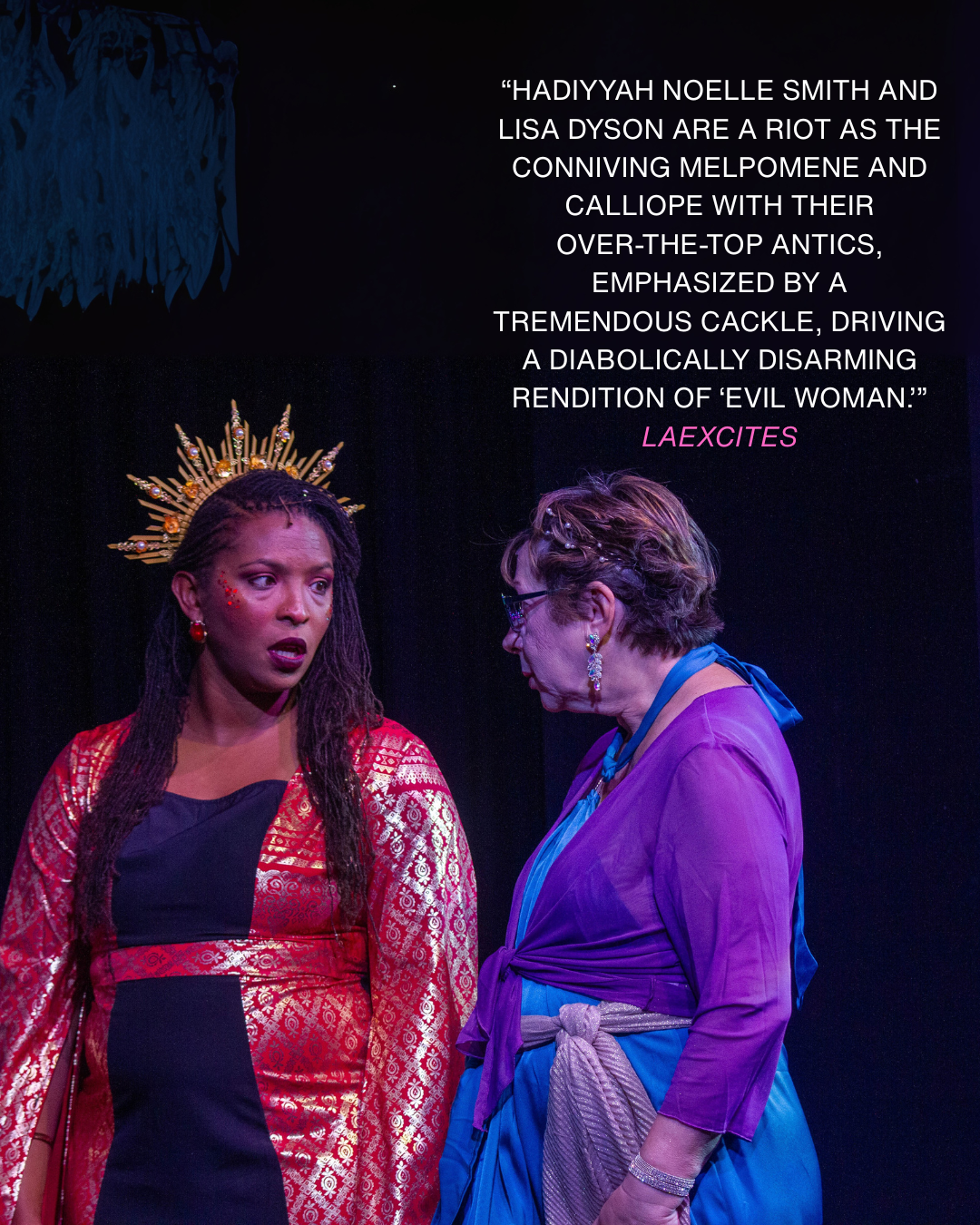
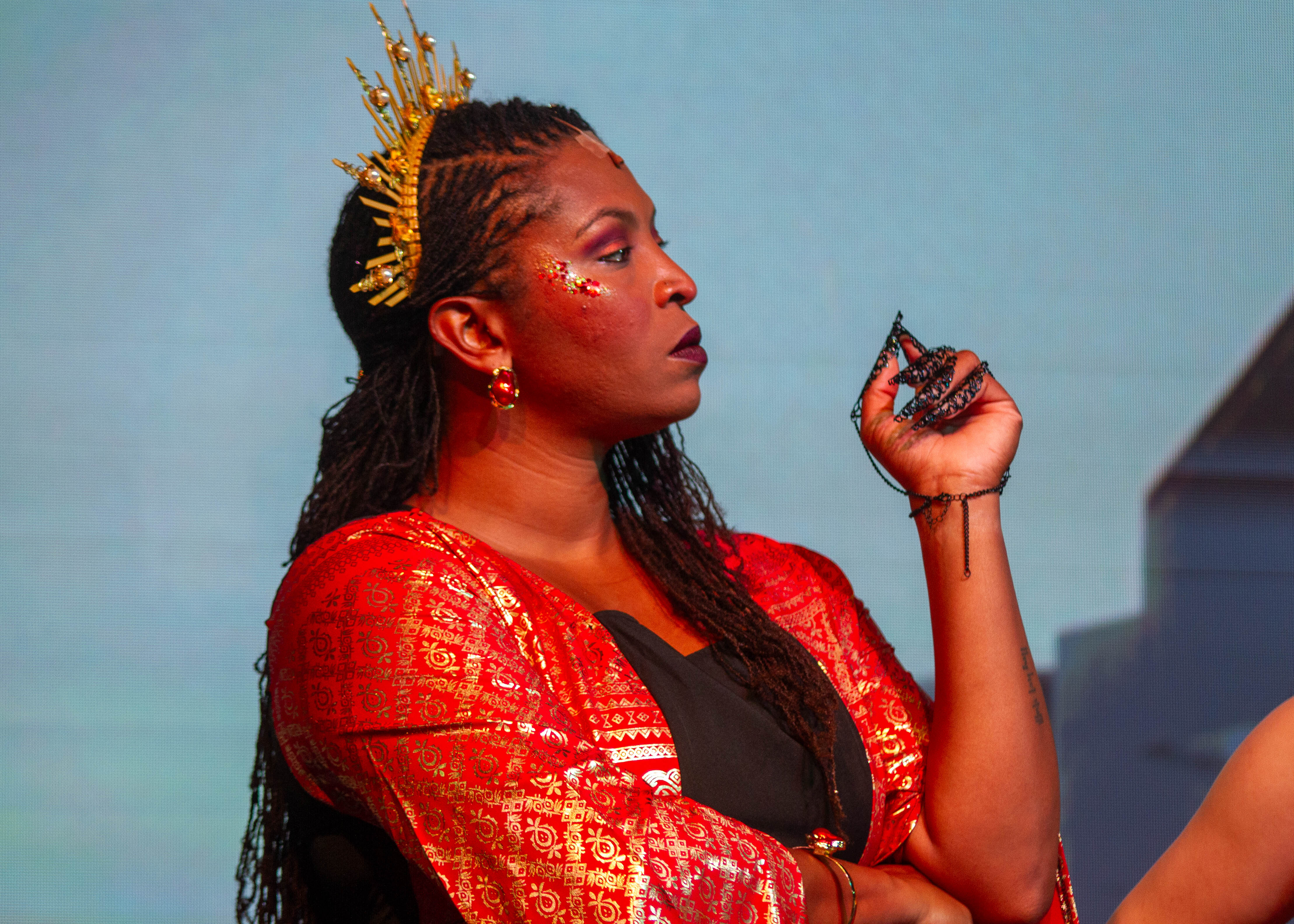
We dug into the film’s lineage : specifically its predecessor Down to Earth (1947), where the same muse descends and once again gets sidelined. Connecting the dots across decades, we reframed Kira’s story as the final chapter of a multi-generation struggle for autonomy. Her sisters weren’t villains; they were terrified she would break the rules again. They didn’t need to tie her to a metaphorical radiator. Olympus already had.
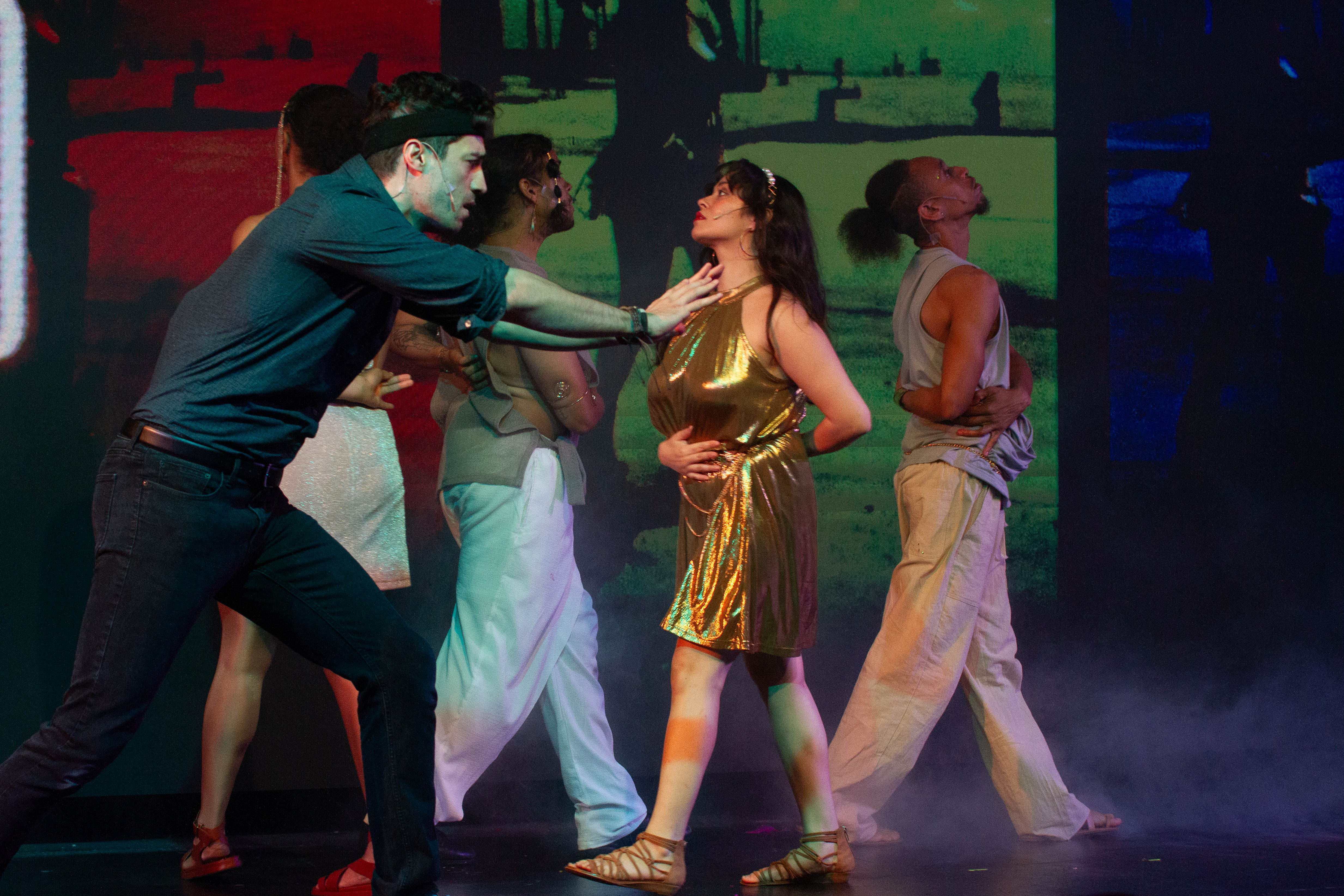
Every staging choice sharpened that thesis.
-
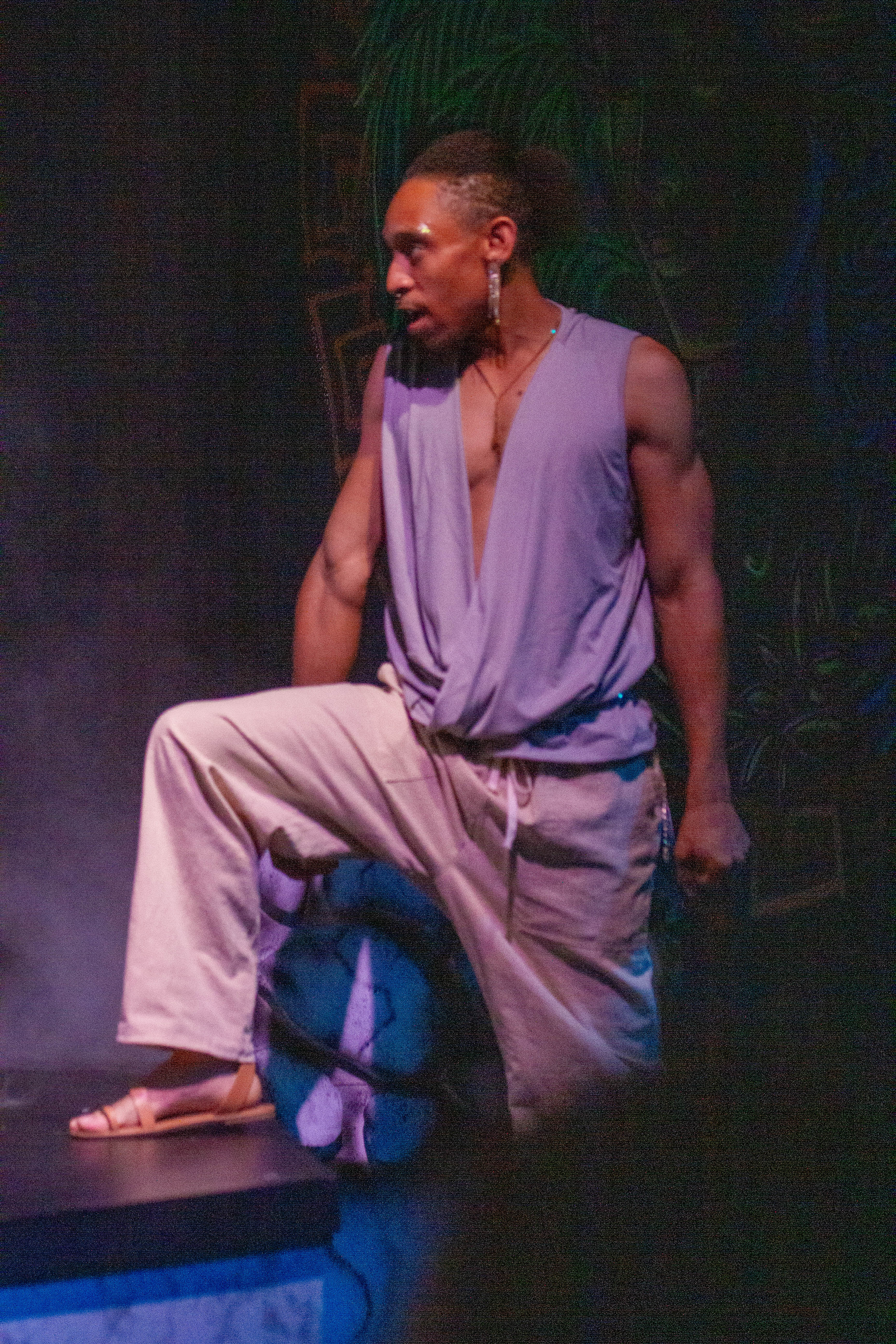
Zeus wasn’t benevolent; he was the antagonist.
-
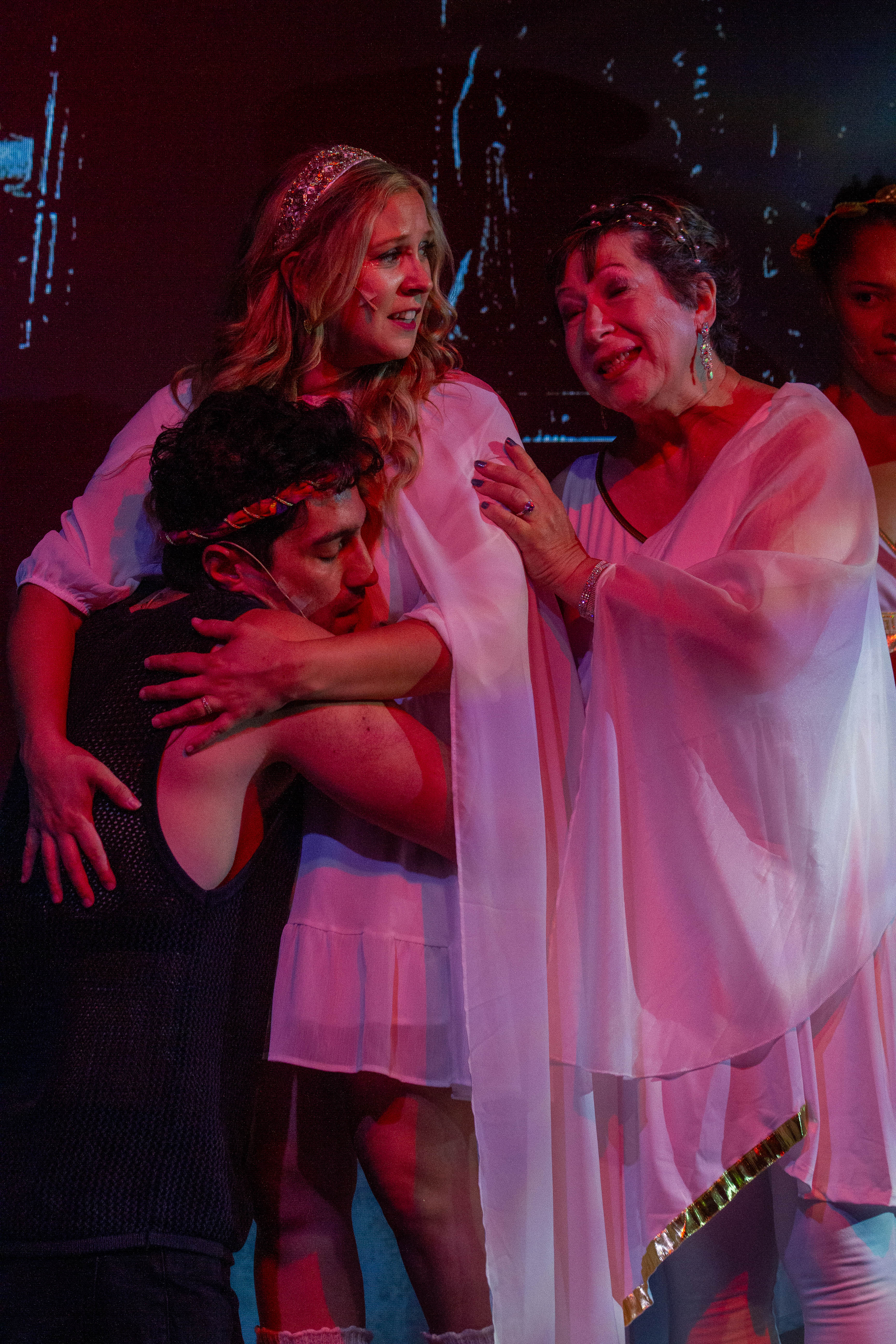
The kiss wasn’t romantic; it was a divine defibrillator.
-
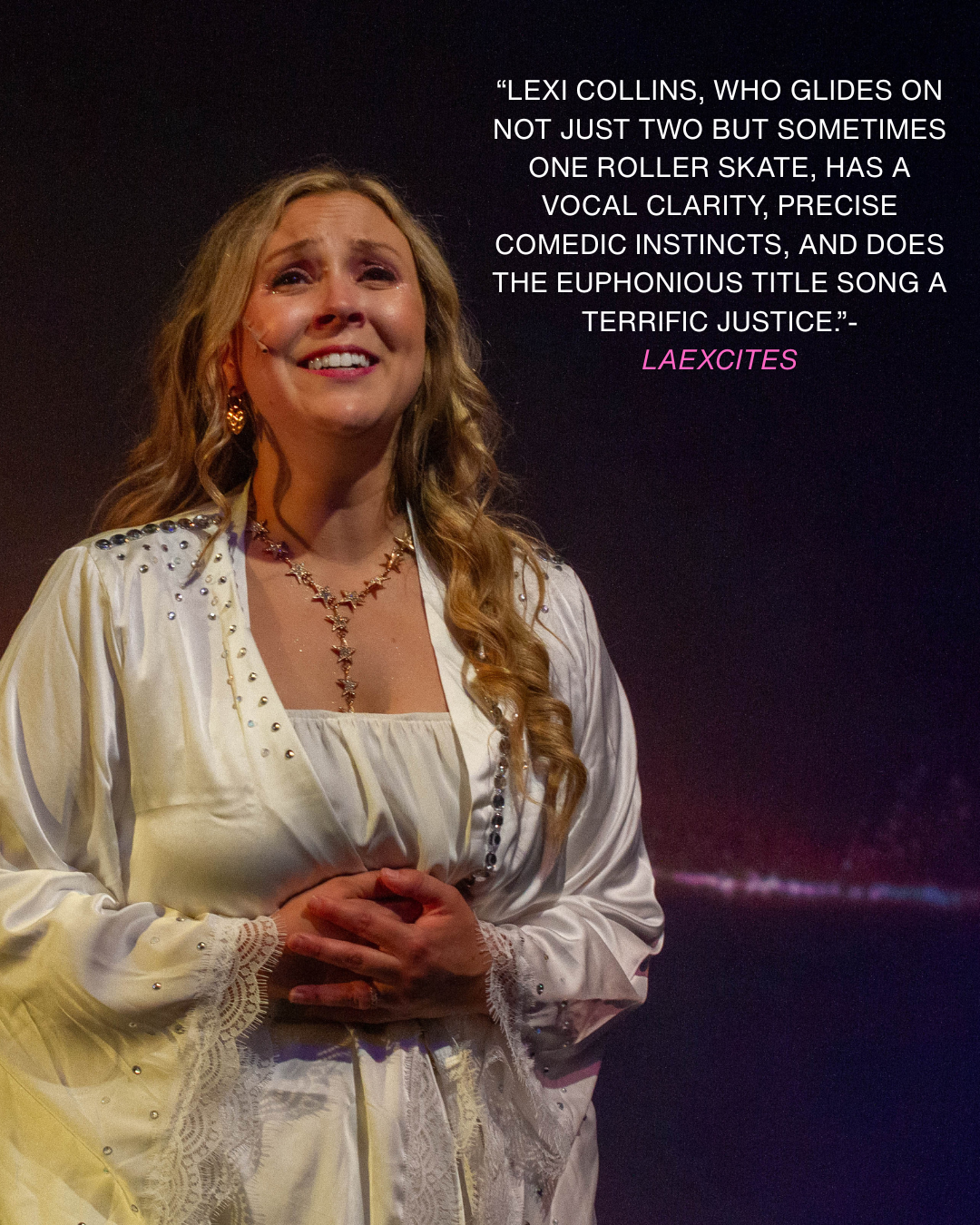
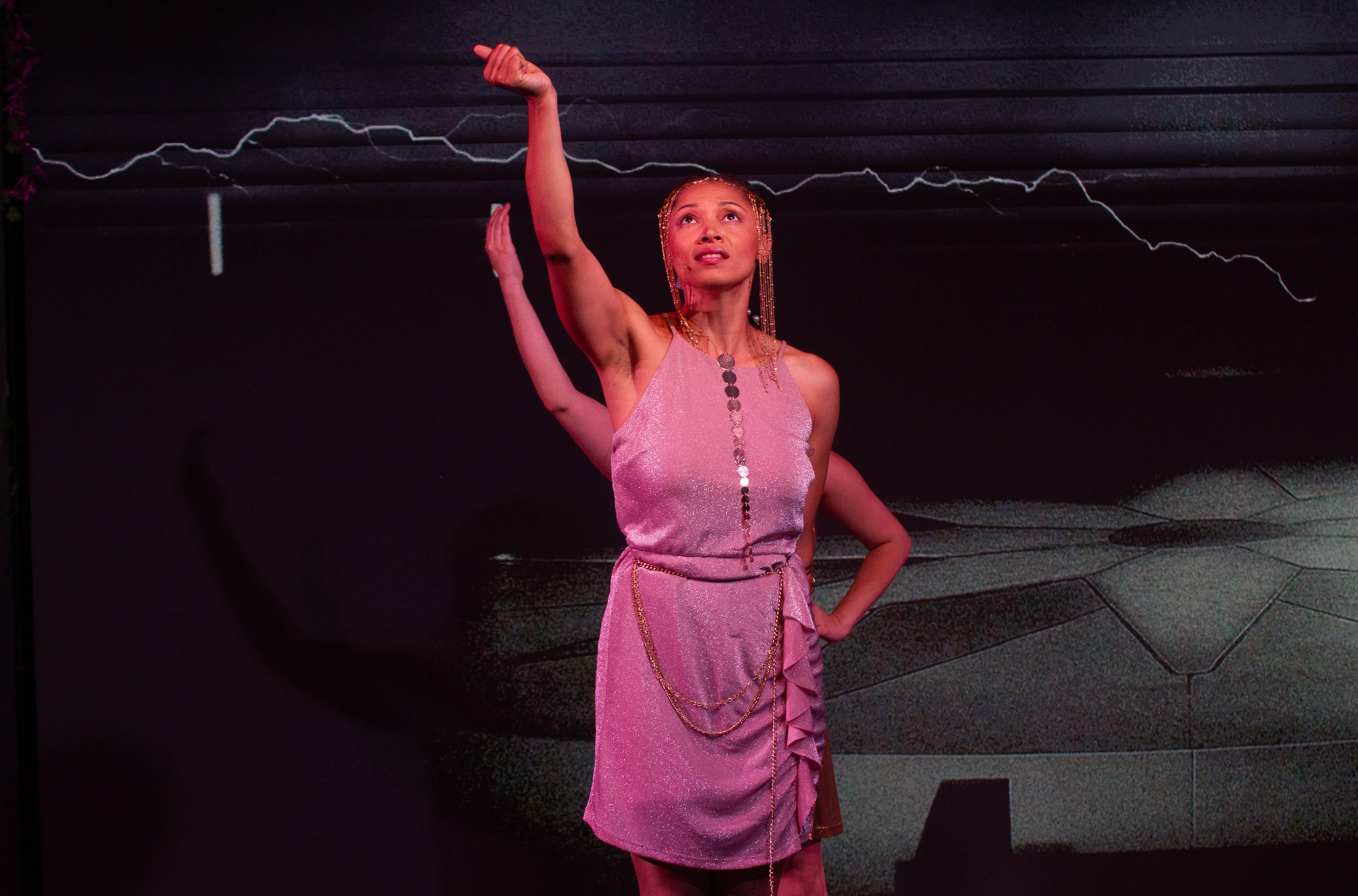
“Suspended in Time” became her ascent, the moment the story finally pivoted to her arc.
The goal was never “build a roller disco.”
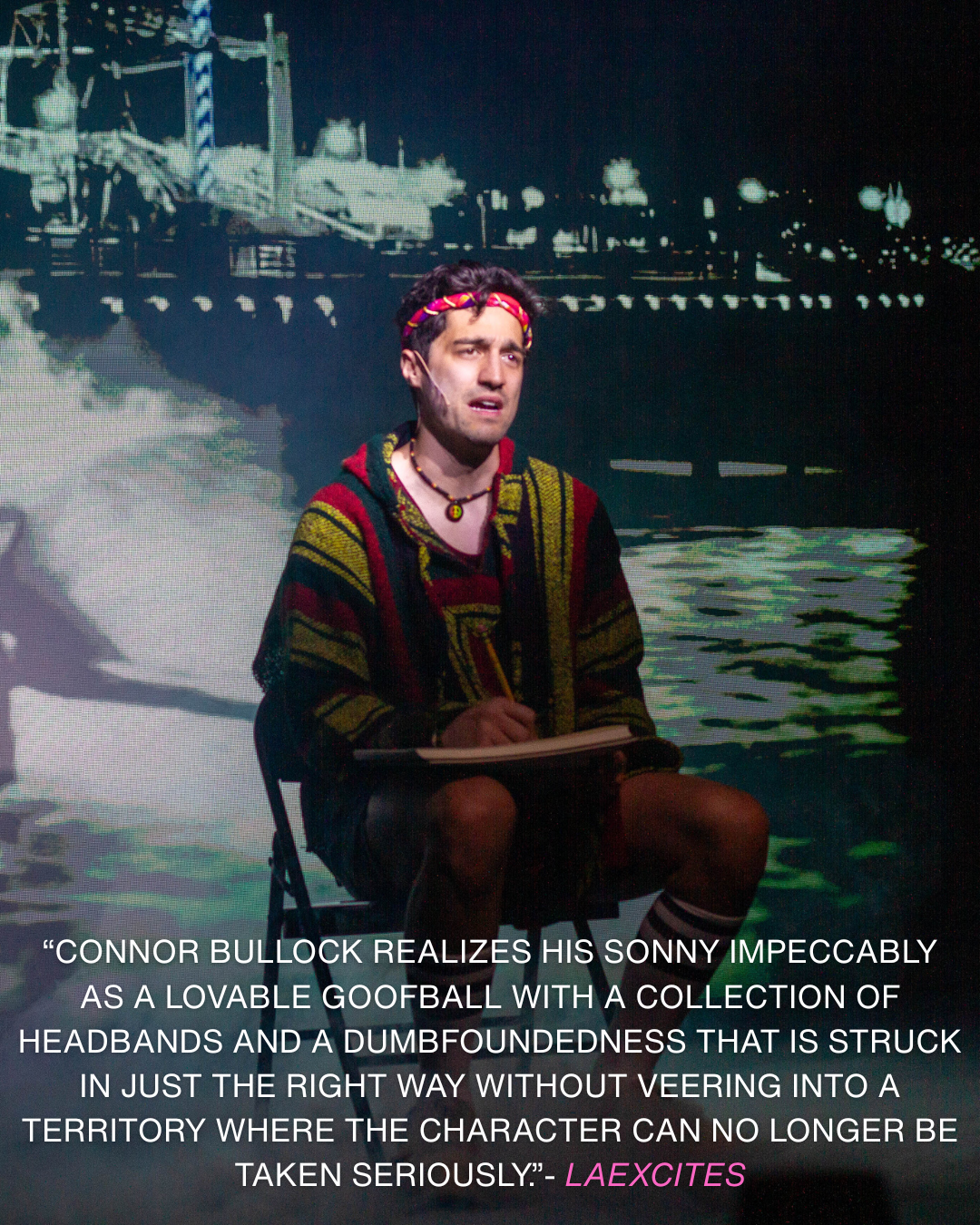
That’s Sonny’s dream.
Kira’s dream is bigger.
In our production, Xanadu isn’t a building. it’s the moment she earns the right to be human. When she transforms, steps into her own body, and finally kisses Sonny as an equal. She wins the agency. She gets the narrative. She starts the finale.
Not the mortal.
The muse.