Your consent is required to display this content from youtube - Privacy Settings
The comedy of Spelling Bee is easy. The pain is not.
Most productions stage this show in a bright, nostalgic gymnasium. Our production was staged as a high-pressure, digital-age psychological test. We weren’t interested in the “goofy kids”; we were interested in the high-anxiety, overstimulated, and often crushing internal worlds of children who have been defined by a single, arbitrary skill.
Our thesis was that these kids are not “quirky”—they are automations, each programmed by their specific adult-created trauma. The entire show is their journey to break that programming and become “utterly real human beings.”
This concept was visualized through our technology. The stage was not a gym; it was a void. The projections were a digital, glitchy, overwhelming stream of data—a visual representation of the pressure, anxiety, and sensory overload these kids are processing.
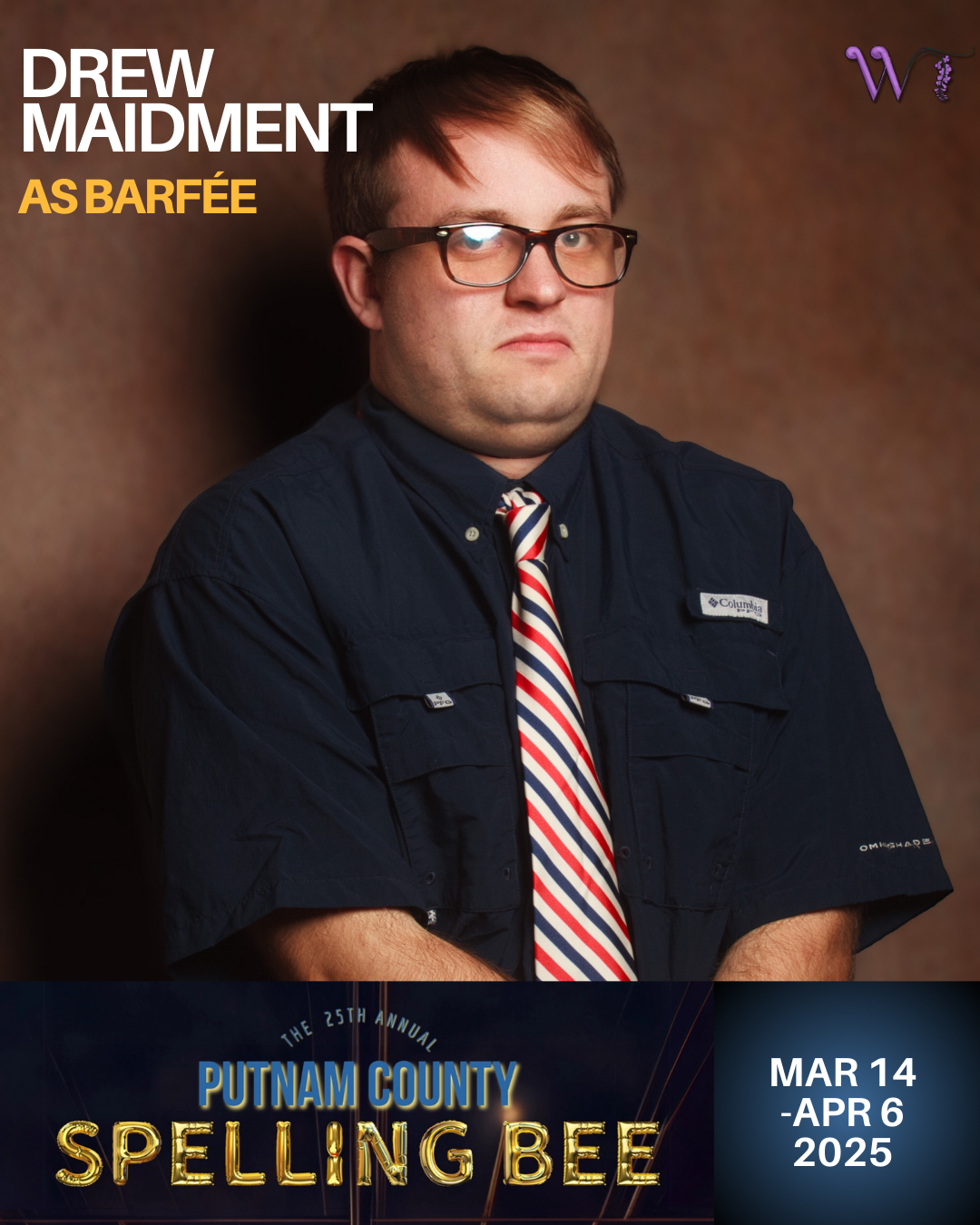
This is a world where Marcy’s rebellion isn’t just “talking to Jesus,” but a systemic crash. Where Olive’s “I Love You Song” is a heartbreaking fantasy in a cold, digital space. And where Barfée’s “Magic Foot” isn’t just a gag, but a literal, light-up superpower that he believes is the only thing that gives him value.
We staged Spelling Bee as a story of high-stakes, anxious kids, each trapped in their own programming, fighting to find a single, authentic, human moment.
Your consent is required to display this content from youtube - Privacy Settings
Privacy Settings
We use cookies to enhance your experience while using our website. If you are using our Services via a browser you can restrict, block or remove cookies through your web browser settings. We also use content and scripts from third parties that may use tracking technologies. You can selectively provide your consent below to allow such third party embeds. For complete information about the cookies we use, data we collect and how we process them, please check our Privacy Policy